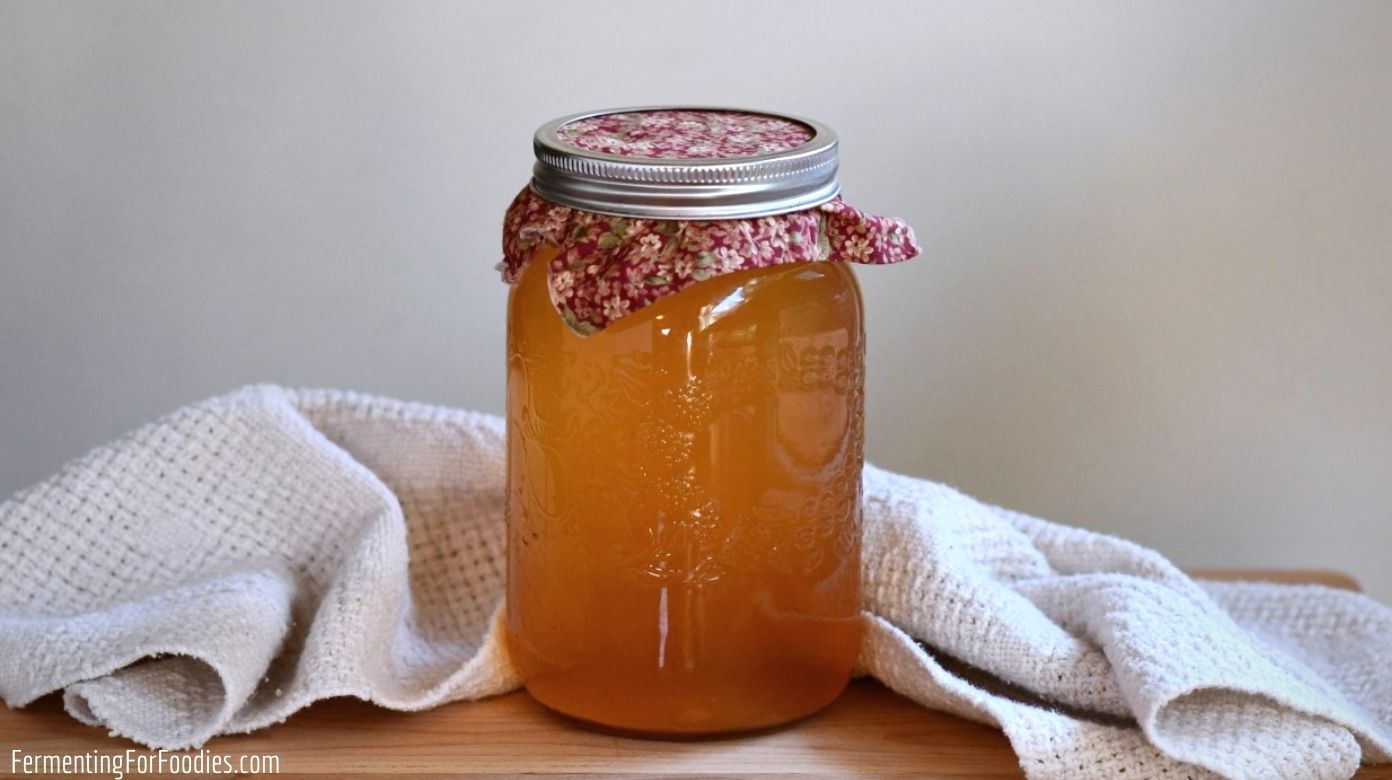
Real Apple Cider Vinegar vs. Scrap: Know the Difference
In the world of homesteading and natural living, homemade apple cider vinegar (ACV) is often hailed as a miracle ingredient. From zesty salad dressings and effective cleaning solutions to supporting gut health and even animal care, its versatility is unmatched. However, when you delve into the realm of DIY vinegar, a common confusion arises: are you truly making "apple cider vinegar" or something else entirely? Many enthusiastic home fermenters discover, often after sharing their recipes, that what they've lovingly crafted from apple peels and cores is actually apple scrap vinegar, a distinct cousin to the traditional brew.
This article aims to demystify the difference, guiding you through the authentic processes and highlighting the unique benefits and limitations of each. Whether your goal is a potent probiotic tonic or a resourceful way to utilize kitchen waste, understanding these distinctions is key to successful fermentation and application. Let's peel back the layers and learn the true art of making apple vinegar at home.
The Purity of True Apple Cider Vinegar: A Time-Honored Tradition
To truly understand how to make apple cider vinegar, we must start at its source: fresh apple cider. Authentic apple cider vinegar is not a byproduct of kitchen waste but a deliberate fermentation of pure, pressed apple juice. The traditional process unfolds in two main stages, each crucial for developing its characteristic potency and health benefits:
- First Fermentation: Cider to Alcohol: Fresh apple cider, rich in natural sugars, is allowed to ferment. Naturally occurring yeasts (or sometimes a specific starter yeast) convert these sugars into alcohol, transforming the sweet cider into hard cider. This anaerobic process typically takes several weeks, during which the sugar content decreases significantly, and the alcohol content rises.
- Second Fermentation: Alcohol to Acetic Acid: Once the hard cider is ready, a specific type of beneficial bacteria, called Acetobacter, takes over. These bacteria thrive in oxygen-rich environments and convert the alcohol into acetic acid – the very compound that gives vinegar its characteristic tangy flavor, pungent aroma, and potent acidity. This aerobic stage is where the "mother of vinegar" often forms – a cloudy, gelatinous mass comprised of cellulose and acetic acid bacteria. The presence of the mother is a hallmark of a live, unpasteurized product brimming with probiotics and enzymes.
This traditional method yields a vinegar with a higher, more consistent acetic acid content, typically ranging from 5-6%. This robustness makes it ideal for historical preservation techniques, pickling, and medicinal applications. It's the kind of ACV celebrated for its full spectrum of nutrients, enzymes, and probiotic benefits, often consumed diluted as a daily health tonic or used in potent home remedies.
Apple Scrap Vinegar: Resourceful, Easy, and Incredibly Useful
While true apple cider vinegar requires a dedicated process starting with whole apples for cider, apple scrap vinegar offers an incredibly accessible and sustainable alternative. This method often comes to mind when people search for how to make apple cider vinegar at home, especially for those looking to minimize waste and explore fermentation. Instead of fresh juice, you utilize the discarded parts of apples – the peels, cores, and any bruised bits left over from baking pies, making applesauce, or canning apple slices.
The beauty of apple scrap vinegar lies in its simplicity and resourcefulness. It leverages the residual sugars and natural yeasts present on the apple scraps, combined with a little added sugar and water, to kickstart a fermentation process similar to traditional ACV but with a different starting material. The result is a milder, less acidic vinegar, typically ranging from 2-4% acetic acid. While it might not carry the same high-acidity punch as its traditional counterpart, it still offers a wealth of benefits and is a testament to sustainable living.
Key Differences and Uses:
- Acidity Levels: Scrap vinegar is inherently less acidic and its exact pH can be variable. This makes it less suitable for critical food preservation methods like canning, where precise and consistent acidity levels (generally 4.5 pH or lower, which corresponds to 5% acetic acid) are crucial for inhibiting harmful bacteria and ensuring food safety.
- Flavor Profile: It tends to have a lighter, often fruitier and more delicate flavor compared to the bolder, more pungent taste of traditional ACV. This can be an advantage in certain culinary applications where a less intense vinegar is desired.
- Practical Applications: Despite its lower acidity, apple scrap vinegar is incredibly versatile and useful around the home. It's excellent for everyday cleaning (windows, counters, cutting boards), as a balancing hair rinse, in certain animal care applications, for tenderizing meats, in salad dressings, and even as a general all-purpose kitchen cleaner. It's a fantastic way to stretch your budget, reduce food waste, and enjoy the satisfaction of a homemade product.
Don't be disheartened that your "homemade apple cider vinegar" might technically be apple scrap vinegar. It's still a valuable, living product, packed with beneficial microbes, and a testament to clever resourcefulness! Many homesteaders swear by it for its ease and utility.
Mastering Homemade Apple Scrap Vinegar: Essential Fermentation Secrets
Making apple scrap vinegar is an incredibly rewarding process, transforming what would otherwise be compost into a valuable household staple. To ensure your success and avoid common pitfalls, keep these critical fermentation secrets in mind. These tips apply whether you're trying to figure out how to make apple cider vinegar from scraps or any other fruit vinegar, helping you cultivate a thriving microbial culture.
- Cleanliness is Paramount (But Don't Over-Sterilize): Fermentation relies on encouraging beneficial microbes while deterring harmful ones. Start with clean jars, bowls, and utensils. This doesn't mean sterilizing everything to laboratory standards, but ensuring surfaces are free of food residues or grime that could harbor undesirable bacteria or mold. A good wash with hot, soapy water and thorough rinsing is usually sufficient to give your beneficial microbes the upper hand.
- Say No to Chlorinated Water: Chlorine, intentionally added to tap water to kill bacteria, will also kill the beneficial yeasts and bacteria essential for fermentation. If your tap water is chlorinated, you have a couple of easy options:
- Use Filtered Water: Water passed through a carbon filter will effectively remove chlorine.
- Dechlorinate Naturally: Pour tap water into an open container (like a large pitcher or bowl) and let it sit on your counter overnight (8-24 hours). The chlorine will naturally evaporate, making the water safe for your fermentation project.
- Avoid Metal Containers and Utensils: Metal, especially reactive metals like aluminum, cast iron, and even some grades of stainless steel, can react adversely with the acidic environment of fermentation. This can leach unwanted metallic flavors or chemicals into your vinegar, potentially rendering it unusable or unsafe. Stick to glass jars (like mason jars), ceramic crocks, or food-grade plastic for all stages of your vinegar making.
- Sugar is Not Optional!: While it might seem counterintuitive to add sugar when trying to make something less sweet, sugar is absolutely crucial for the fermentation process. The yeast and bacteria *feed* on the sugar, converting it first into alcohol (by yeast) and then into acetic acid (by bacteria). Without sufficient sugar, the fermentation won't kick off properly or won't reach a desirable acidity level. Don't worry, the final vinegar will not be sweet – the sugar is merely the fuel for the microbial conversion.
- Airflow and Covering: Unlike some anaerobic ferments, vinegar needs oxygen for the Acetobacter to thrive and convert alcohol to acetic acid. However, you also need to protect your ferment from dust, fruit flies, and other contaminants. Cover your jar with a breathable material like a cheesecloth, coffee filter, or a thin kitchen towel, secured with a rubber band. This allows essential air in while keeping pests and impurities out.
- Patience is a Virtue: Fermentation takes time. Don't rush it. Depending on ambient temperature (warmer temperatures generally speed things up) and conditions, your scrap vinegar could take anywhere from 2-4 weeks (or even longer) for the initial fermentation to occur, and then another 2-4 weeks or more to develop its full vinegary tang and potency. Taste periodically using a clean spoon, but resist the urge to constantly disturb it. Look for bubbling activity and a noticeable vinegar aroma as signs of progress.
Choosing Your Apple Vinegar Adventure
Now that you understand the nuances, which vinegar should you make? The good news is, there's a valuable place for both true apple cider vinegar and apple scrap vinegar in a resourceful, health-conscious home.
- For Health Tonics & Medicinal Use: If your primary goal is to harness the probiotic power, specific enzymes, and higher, more consistent acidity for health drinks, gut support, or specific home remedies, investing in proper apple cider production (or purchasing raw, unpasteurized ACV with the mother) is your best bet.
- For Sustainable Living & Everyday Uses: If you're passionate about zero-waste living, want an economical and effective cleaner, a mild culinary vinegar for dressings or marinades, or a gentle hair rinse, then apple scrap vinegar is your champion. It’s incredibly satisfying to transform kitchen discards into something so useful and beneficial.
- For Canning & Pickling: When it comes to food preservation that requires precise acidity for safety (like canning vegetables or making shelf-stable pickles), traditional apple cider vinegar with its consistent 5%+ acetic acid is the only reliable choice. Homemade scrap vinegar's acidity is too variable and generally too low for safe, tested canning recipes.
Conclusion
The journey to understand how to make apple cider vinegar reveals a fascinating world of fermentation, distinctions, and incredible utility. While the traditional method yields a potent, high-acidity product perfect for health and serious preservation, apple scrap vinegar offers an accessible, eco-friendly alternative for everyday cleaning and culinary uses. Both products, while different in their origins and potency, are living testaments to the power of natural processes and beneficial microbes. By knowing the difference, you can confidently select the right vinegar for your needs, enrich your home with homemade goodness, and perhaps even inspire others to embark on their own fermentation adventures, transforming kitchen scraps into liquid gold.
