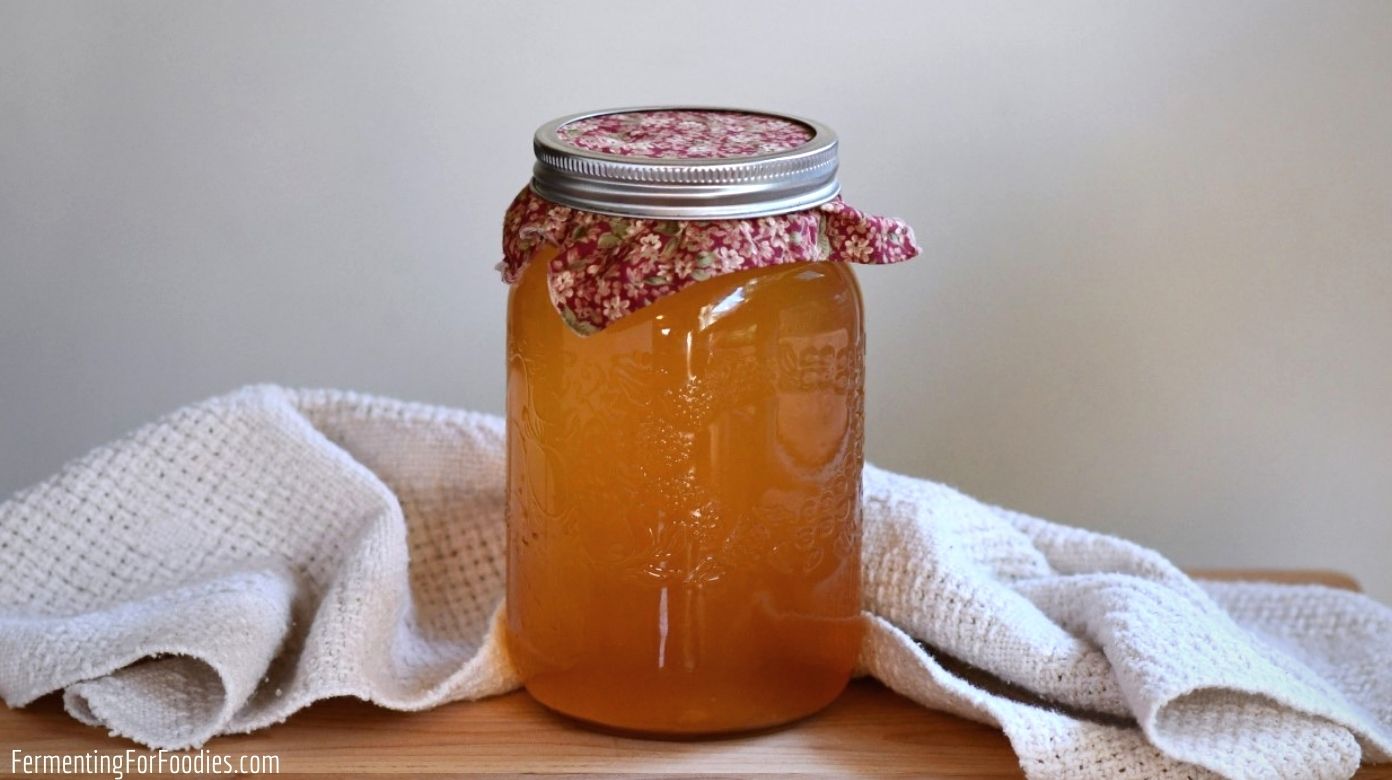
Homemade Apple Vinegar: Unlocking Fermentation Secrets for a Multitude of Uses
There’s a certain magic in transforming simple ingredients, or even kitchen "waste," into something incredibly valuable and versatile. Few homemade products exemplify this better than apple vinegar. Often lauded by homesteaders and health enthusiasts alike, this fermented elixir can find a place in everything from your pantry to your cleaning cabinet, and even your garden. If you've ever wondered
how to make apple cider vinegar at home, you're in for a treat – a surprisingly simple and rewarding process that taps into the ancient art of fermentation.
Beyond the allure of self-sufficiency, making your own apple vinegar offers a sustainable way to utilize apple scraps that might otherwise go to waste. Peels, cores, and even bruised apple pieces destined for the compost bin can be given a second life, fermenting into a valuable product. While the term "apple cider vinegar" is often broadly applied, there's a fascinating distinction to explore between traditionally brewed cider vinegar and the increasingly popular apple scrap vinegar. Both are incredibly useful, but understanding their differences is key to appreciating their unique qualities.
The Essential Distinction: True Apple Cider Vinegar vs. Apple Scrap Vinegar
When diving into the world of homemade apple vinegar, it's crucial to clarify a common misconception. Many online recipes claiming to teach you
how to make apple cider vinegar are, in fact, guiding you through the creation of what is more accurately termed
apple scrap vinegar.
True apple cider vinegar begins its journey as pure apple cider. The apples are first pressed to extract their juice, which then undergoes an alcoholic fermentation (turning into hard cider), followed by a secondary acetic acid fermentation that converts the alcohol into vinegar. This traditional method yields a product with a robust acidity, typically around 5-6%, similar to commercial apple cider vinegar.
Apple scrap vinegar, on the other hand, utilizes apple peels, cores, and small pieces, combined with water and sugar. In this method, the sugar acts as the primary food source for the beneficial bacteria and yeast present on the apple scraps, which then convert the sugar directly into acetic acid. While still a fantastic and incredibly useful vinegar, apple scrap vinegar tends to be less acidic, usually ranging from 2-4%.
Why does this distinction matter? Primarily for specific applications. Due to its lower acidity,
homemade apple scrap vinegar is generally not recommended for canning or food preservation where precise acidity levels are critical for safety. For these purposes, commercially produced apple cider vinegar or traditionally brewed true apple cider vinegar is the safer choice. However, for a vast array of other uses – from culinary delights to household cleaning and even personal care – apple scrap vinegar shines as a sustainable, cost-effective, and highly effective alternative. To delve deeper into these differences and their implications, you might find our article
Real Apple Cider Vinegar vs. Scrap: Know the Difference particularly insightful.
Mastering Fermentation: Key Secrets for Homemade Vinegar Success
Whether you're aiming to understand
how to make apple cider vinegar in its truest form or simply want to harness the magic of apple scraps, successful fermentation hinges on a few fundamental principles. Think of yourself as a microbial shepherd, guiding beneficial bacteria and yeast to do their best work.
1.
Impeccable Cleanliness is Paramount: While fermentation encourages beneficial microbes, you want to prevent unwanted, spoilage-causing bacteria from taking hold. Ensure all your jars, bowls, utensils, and work surfaces are thoroughly cleaned and sanitized. Sterilizing jars with boiling water or a commercial sanitizer can provide an extra layer of protection, especially for longer ferments.
2.
Banish Chlorinated Water: Chlorine, a common water additive, is designed to kill microbes – precisely what you *don't* want when cultivating a vibrant fermentation. If your tap water is chlorinated, either use filtered water, distilled water, or simply pour your tap water into an open container and let it sit on your counter overnight. The chlorine will naturally dissipate, leaving your water safe for your microbial friends.
3.
Steer Clear of Metal Containers: Acetic acid, the star component of vinegar, can react with metal, particularly certain types of steel and aluminum. This reaction can not only impart an off-flavor and potentially harmful compounds into your vinegar but can also corrode your containers. Always opt for glass, ceramic, or food-grade plastic for fermenting and storing your vinegar.
4.
Embrace the Sugar: For apple scrap vinegar, sugar isn't just for sweetness; it's the vital fuel for the fermentation process. The yeast and bacteria consume the sugar, transforming it into alcohol, and then subsequently into acetic acid. Don't be tempted to reduce or omit the sugar, as this will starve your culture and prevent successful vinegar formation. The final product will not be sweet, as the sugar is consumed during the process.
5.
Provide a Breathable Cover: Fermentation is an aerobic process, meaning it requires oxygen. Never seal your fermenting jar with an airtight lid. Instead, use a breathable cover like cheesecloth, a coffee filter, or a thin kitchen towel secured with a rubber band. This allows air circulation while keeping out dust, fruit flies, and other contaminants.
6.
Temperature Matters: While fermentation is forgiving, an ideal temperature range (typically 65-80°F or 18-27°C) will encourage optimal activity from your yeast and bacteria. Too cold, and the process will slow to a crawl; too hot, and you risk off-flavors or spoilage.
Crafting Your Own Apple Scrap Vinegar: A Step-by-Step Overview
Making apple scrap vinegar is wonderfully straightforward, transforming kitchen "waste" into liquid gold. Here's a general guide to the process:
1.
Gather Your Scraps: Collect apple peels and cores from organic, unsprayed apples if possible. Avoid any visibly rotten or moldy pieces. Store them in a container in the fridge or freezer until you have enough – typically enough to fill a quart or half-gallon jar about halfway.
2.
Prepare Your Jar: Use a clean, wide-mouthed glass jar (quart or half-gallon size works well).
3.
Combine Ingredients: Place your apple scraps in the jar. Add about 1-2 tablespoons of organic cane sugar (or honey) per quart of water. Dissolve the sugar in non-chlorinated water, then pour it over the scraps, ensuring they are fully submerged. You'll want to leave at least 1-2 inches of headspace from the rim of the jar.
4.
Weigh Them Down: It's crucial to keep the apple scraps submerged to prevent mold growth. Use a fermentation weight, a small, clean glass jar filled with water, or a plastic bag filled with brine.
5.
Cover and Ferment: Cover the jar with cheesecloth, a coffee filter, or a thin towel secured with a rubber band. Place it in a warm, dark spot (like a pantry or cupboard) for 2-4 weeks. During this time, you'll start to see bubbles, which indicate fermentation is active. A thin, gelatinous film, known as the "mother," may also begin to form on the surface – this is a sign of healthy fermentation!
6.
Strain and Second Fermentation: Once your vinegar smells pleasantly acidic and tastes vinegary (not sweet), strain out the apple scraps. You can either use the vinegar as is or allow it to undergo a second fermentation. For a clearer, stronger vinegar, transfer the strained liquid to a clean jar, cover it again, and let it sit for another 1-2 weeks. The "mother" may continue to grow, making your vinegar even more potent.
7.
Storage: Once satisfied with the flavor, cap your finished vinegar with a tight lid and store it in a cool, dark place. It will keep almost indefinitely. If you're looking for a detailed recipe to get started, our article
Make Easy Apple Scrap Vinegar from Kitchen Waste provides an excellent guide.
Beyond the Bottle: Diverse Uses for Your Homemade Apple Vinegar
Now that you know
how to make apple cider vinegar (or rather, apple scrap vinegar), let's explore its incredible versatility. The uses for this homemade elixir stretch far beyond the culinary realm.
Culinary Delights:
*
Salad Dressings: Its milder acidity makes it perfect for vinaigrettes, offering a gentler tang than commercial ACV.
*
Marinades: Tenderize meats and infuse flavor into vegetables.
*
Flavor Enhancer: A splash can brighten soups, stews, and sauces.
*
Beverages: Create refreshing "shrubs" or add a spoonful to water for a probiotic boost (especially if you have a visible "mother").
Household Helper:
*
All-Purpose Cleaner: Dilute with water (1:1 ratio) for an effective, natural cleaner for countertops, floors, and windows. The acetic acid is a natural disinfectant.
*
Descaler: Combat hard water stains in kettles, coffee makers, and showerheads.
*
Fabric Softener: Add a half-cup to your washing machine's rinse cycle for naturally soft clothes and to combat static.
*
Odor Neutralizer: A bowl of vinegar can absorb stale odors in a room, or use it to deodorize drains.
Personal Care & Wellness:
*
Hair Rinse: Dilute with water for a clarifying hair rinse that balances scalp pH and adds shine.
*
Skin Toner: A highly diluted solution can help balance skin pH and act as a mild astringent.
*
Foot Soak: Soothe tired feet and help combat fungal issues.
Garden & Pet Care:
*
Weed Killer: A stronger solution can be used as a natural, non-toxic weed killer (use with caution around desired plants).
*
Pest Deterrent: Diluted vinegar can deter certain garden pests.
*
Animal Tonic: Some homesteaders add a small amount to livestock or pet water for general health benefits, similar to how humans might use it.
Embrace the Fermentation Journey
Making homemade apple vinegar is more than just a recipe; it's an embrace of traditional practices, sustainability, and a deep appreciation for the natural world. From the simple act of collecting apple scraps to witnessing the magic of fermentation unfold, each step is a reminder that some of the most valuable resources are often those we overlook. Whether you're drawn to the idea of a natural cleaner, a versatile cooking ingredient, or simply the satisfaction of creating something wonderful from scratch, learning
how to make apple cider vinegar (or its equally useful scrap counterpart) is a skill that offers immense rewards. So gather your scraps, prepare your jars, and embark on a delicious, sustainable journey into the world of homemade apple vinegar.